The World Food Prize Foundation’s inaugural DialogueNEXT Africa conference just concluded in Nairobi, Kenya. The high-level convening took place from June 30 to July 1, 2026, bringing together agricultural leaders, policymakers, scientists, and young agripreneurs.
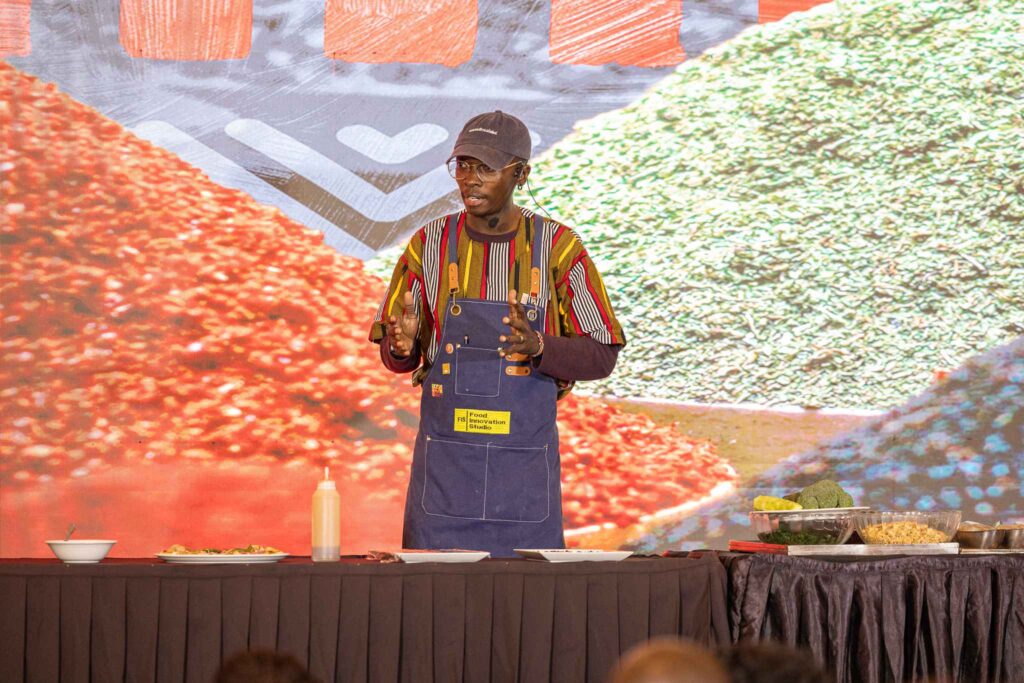
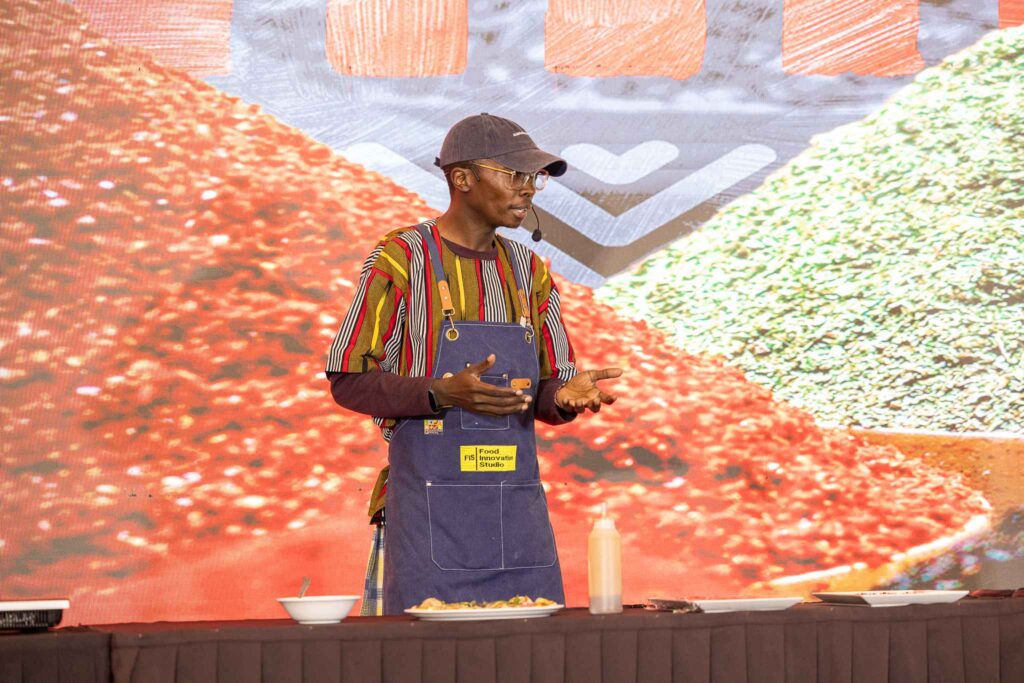
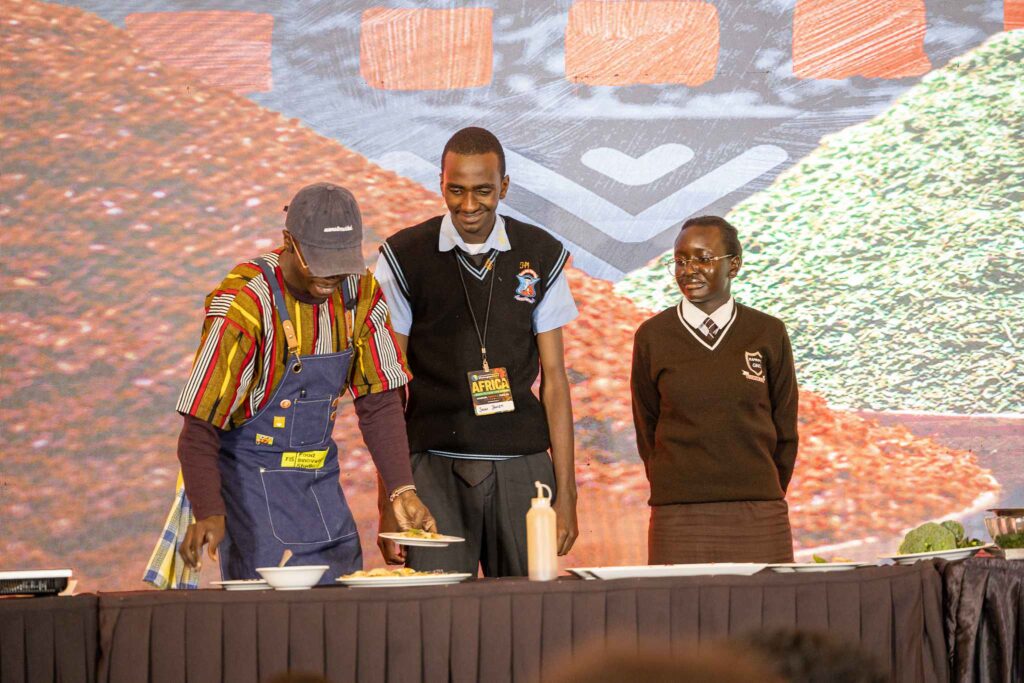
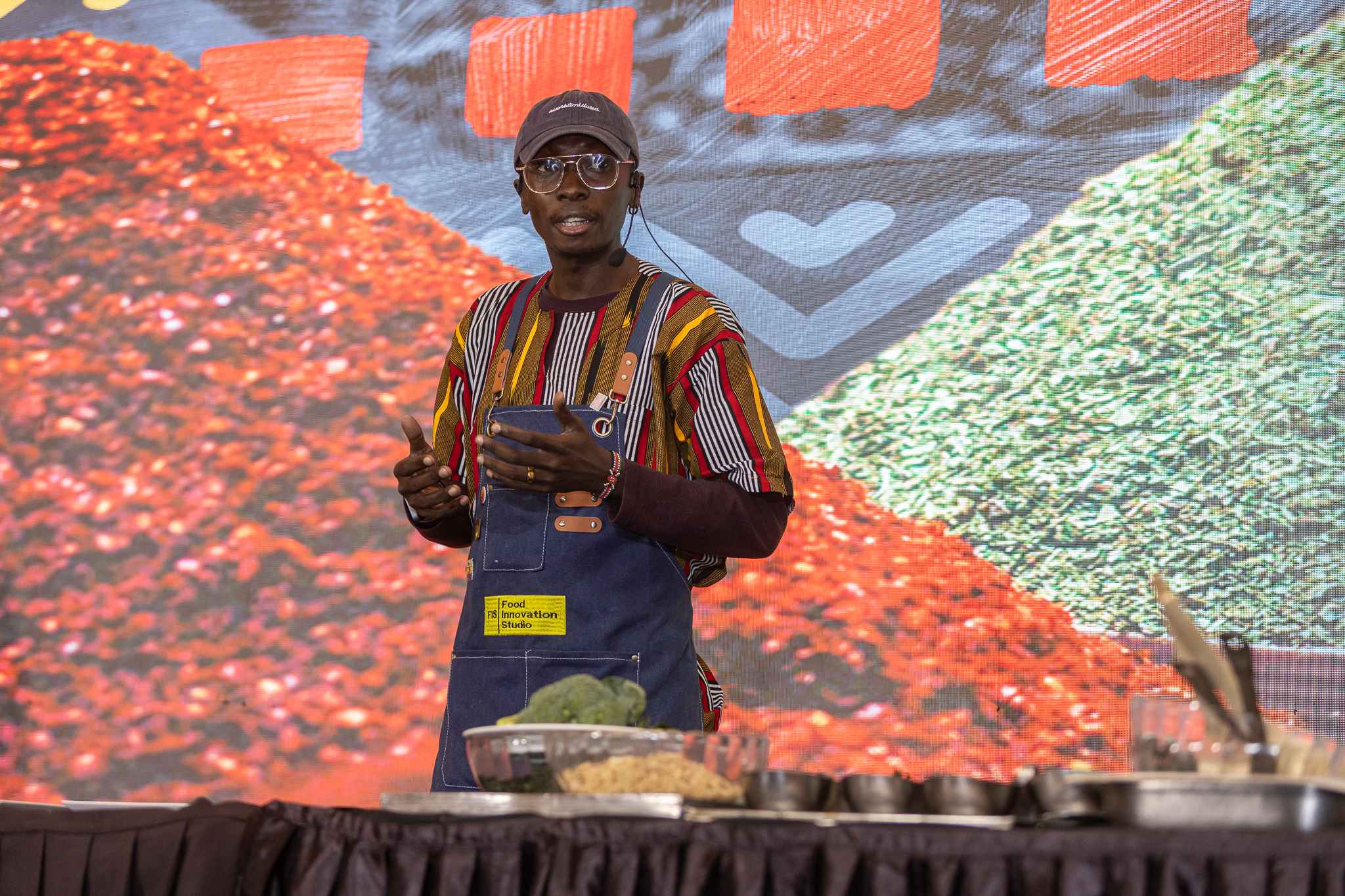
Nicodemus Omundo played a direct role in the DialogueNEXT Africa conference as a chef, a member of the Chefs’ Manifesto network, and the Founder and CEO of Food Innovations Studio FIS
At the Nairobi summit on June 30, he was a featured speaker on a specialized panel titled “DialogueNEXT in Africa | Born to Spice Things Up.”
His session focused on the culinary and consumer side of food security, exploring the narrative of food culture, supply chains, and how specific ingredients travel from the farm to the table. Alongside prominent culinary entrepreneur and chef Kiran Jethwa, Nicodemus highlighted the critical role that chefs and food manufacturing innovators play in shifting public mindset and creating sustainable, practical demands for local African agricultural products.
Core Overview
- Theme: “Born to Feed the Future” – This theme emphasized that Africa is not waiting for external solutions. Instead, the continent is leveraging its own scientific excellence, youth innovation, and agricultural diversity to build its future.
- Location: Safari Park Hotel, Nairobi, Kenya.
- The Borlaug Legacy: The event marked 40 years since Nobel Peace Prize Laureate Dr. Norman Borlaug’s first major visit to Africa in 1984. Following previous DialogueNEXT events in Mexico (2024) and India (2025), the foundation brought the series to Africa – a continent Borlaug famously called “the last frontier” for defeating hunger.
Key Themes & Discussions
1. Shifting from Invention to Scale
A recurring message throughout the panels – championed heavily by Dr. Akinwumi Adesina (2017 World Food Prize Laureate) – was that the necessary agricultural technologies already exist. The bottleneck is political will and regulatory barriers. The call to action was to move innovations out of academic labs and get them into the hands of smallholder farmers at scale.
2. Climate Resilience & Shifting Yields
The conference arrived at a critical time, noting intense climate risks (including active El Niño patterns). Speakers warned that a mere 2 degree increase in global warming could slash sub-Saharan crop yields by 10% to 20%, driving home the urgency for climate-smart agriculture.
3. Agriculture as a Business (and the Next Generation)
The dialogue highlighted a cultural shift: agriculture is no longer being viewed across Africa as a “profession of last resort,” but rather as a massive economic opportunity. As Dr. Adesina noted, Africa’s future billionaires won’t come from oil and gas, but from agriculture, because “everybody eats.” There was a heavy emphasis on empowering youth and women as central drivers of this agribusiness revolution.
4. Nutrition vs. Quantity
Panels stressed that food security cannot just be about larger harvests. True transformation requires investments in biofortified crops, school feeding programs, and dietary diversity to ensure healthier populations.
Practical “Immersions” (Field Visits)
On July 1, the conference transitioned into hands-on site visits across Nairobi to showcase practical, scalable agricultural solutions:
- Hello Tractor Experience Center: Looking at how IoT, farm equipment marketplaces, and asset financing are assisting smallholder farmers.
- CGIAR Centers (ILRI, CIMMYT, IRRI, WorldFish, and Alliance of Bioversity & CIAT): Participants toured bioscience labs, climate-resilient aquaculture systems, emissions-measurement facilities, and saw how researchers translate biotechnology into value-added commercial products.
What’s Next? The insights and commitments mapped out during DialogueNEXT Africa are set to directly shape the global agenda ahead of the main Norman E. Borlaug International Dialogue, which will take place in Des Moines, Iowa, from October 20–22, 2026.