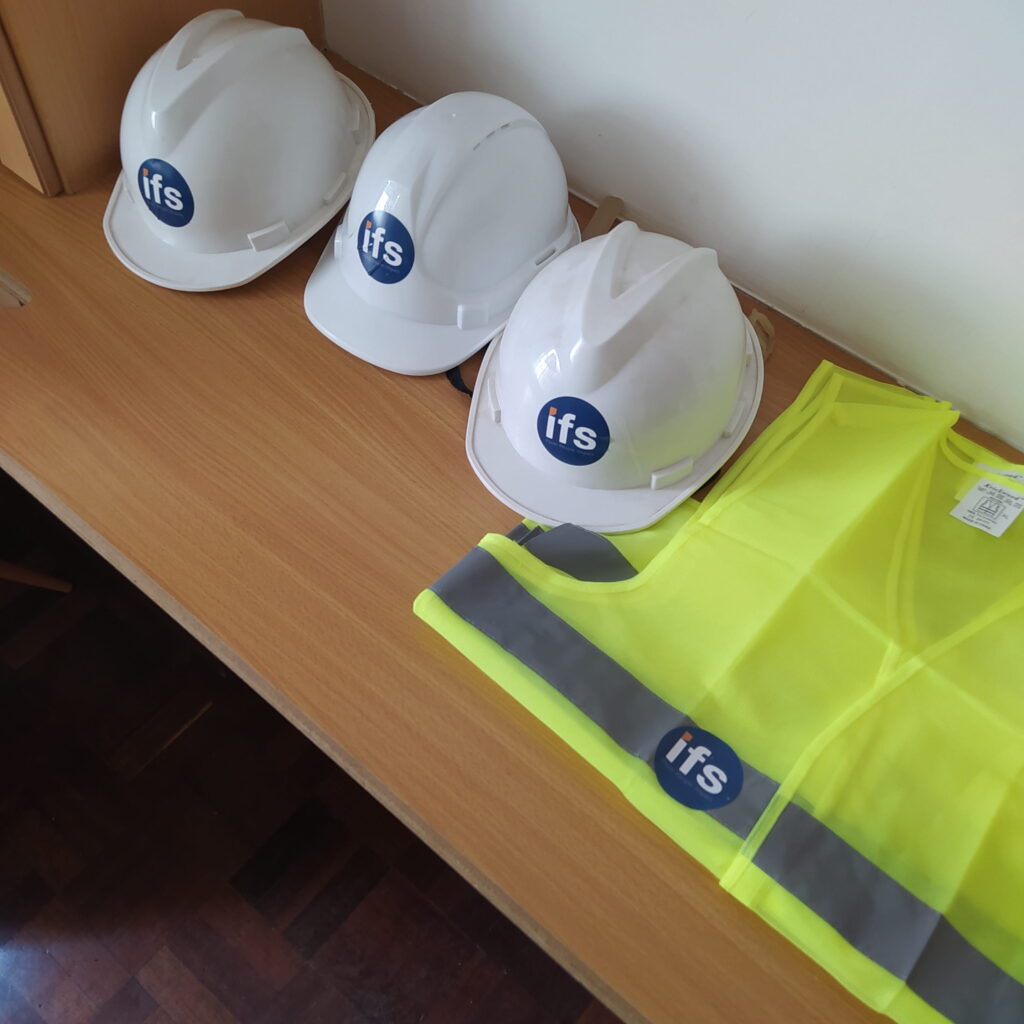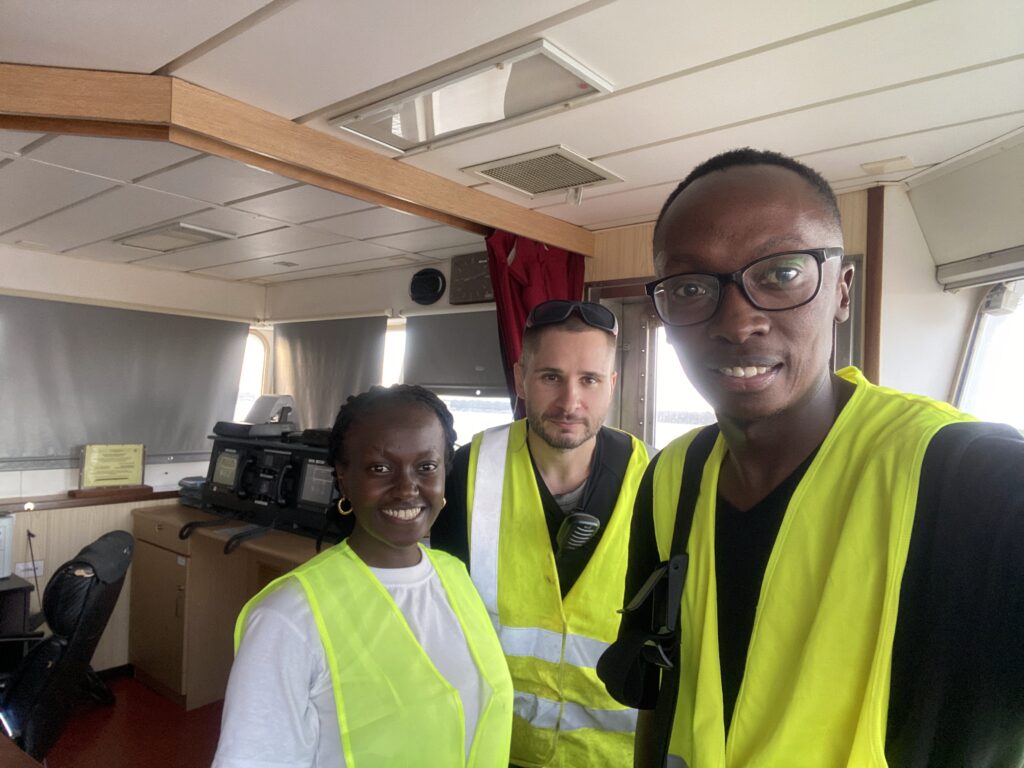
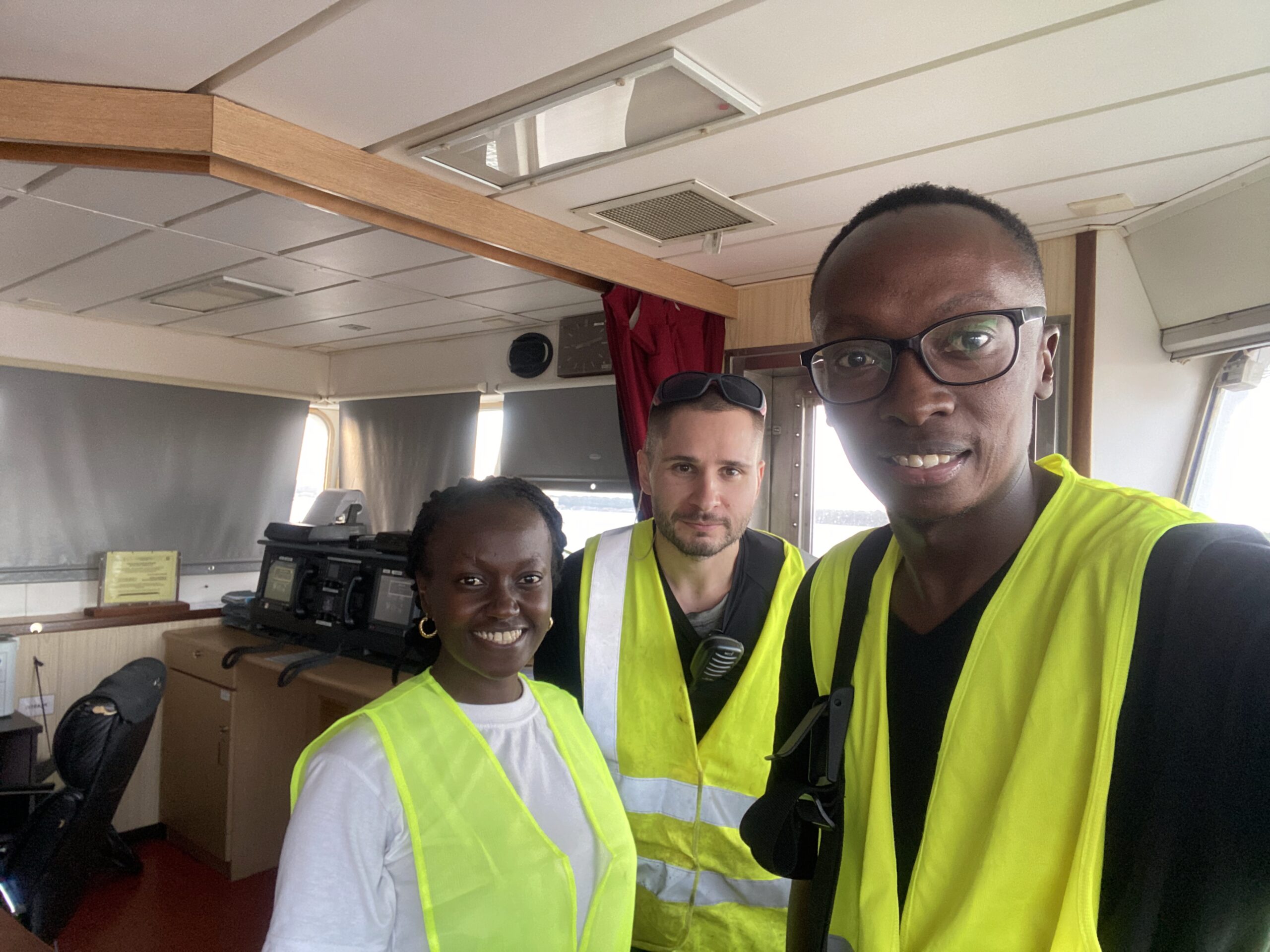
Nicodemus together with colleagues from IFS conducted a culinary audit onboard a vessel docked at the port of Mombasa.
A culinary audit onboard a vessel or ship is a comprehensive evaluation of the food service operations, galley, hygiene, provisioning, inventory management, and nutritional standards.
Given that ships are isolated environments where crew members and passengers cannot simply “order takeout,” these audits are critical for safety, compliance, and morale.
Here is why culinary audits are absolutely essential at sea:
1. Compliance with International Maritime Regulations
Maritime catering is strictly regulated to protect the rights and health of seafarers. A culinary audit ensures the vessel complies with international laws, most notably the Maritime Labour Convention (MLC, 2006).
- MLC Regulation 3.2: Dictates that shipowners must provide food and drinking water of appropriate quality, nutritional value, and quantity, free of charge to the crew.
- Flag State Standards: Audits ensure the vessel passes inspections by port states, avoiding costly detentions or fines due to galley deficiencies.
2. Food Safety and Health (Preventing Outbreaks)
A foodborne illness outbreak on a ship can disable an entire crew or ruin a cruise vacation, creating a genuine emergency at sea. Audits evaluate adherence to HACCP (Hazard Analysis Critical Control Point) principles by checking:
- Temperature Logs: Ensuring freezers and chillers are operating at correct temperatures to prevent bacterial growth.
- Cross-Contamination: Verifying that raw and cooked foods are stored and prepared separately.
- Galley Hygiene: Inspecting deep cleaning schedules for ventilation hoods, drains, and cooking surfaces.
3. Financial and Waste Control (Provisioning Management)
Food is one of the highest operating expenses (OPEX) on a vessel. Culinary audits look at the business side of the galley to prevent bleeding money:
- Inventory Rotation: Ensuring a strict FIFO (First In, First Out) system to reduce food spoilage and waste.
- Menu Planning: Auditing whether menus are designed to use ingredients efficiently before they expire.
- Port Procurement: Analyzing ordering habits to ensure the ship isn’t over-purchasing in expensive ports or running out of essentials during long ocean transits.
4. Crew Morale, Mental Health, and Retention
In the maritime industry, there is a famous saying: “A well-fed ship is a happy ship.” Food is often the only highlight of a seafarer’s grueling 12-hour workday.
- Cultural Diversity: Audits check if the menu accommodates the diverse nationalities onboard (e.g., European, Filipino, Indian crew preferences).
- Nutritional Balance: Ensuring the food provides the high-calorie, nutrient-dense fuel required for heavy manual labor, preventing fatigue and long-term health issues (like diabetes or cardiovascular disease).
5. Waste Management and Environmental Compliance
Marpol (The International Convention for the Prevention of Pollution from Ships) has strict rules about what can be disposed of at sea.
- Annex V (Garbage): Audits ensure that food waste is properly segregated from plastics and other garbage, and that macerators/composters are functioning correctly before food waste is discharged according to legal distance-from-shore limits.
The Bottom Line: A culinary audit isn’t just about checking if the food tastes good. It is a vital risk-management tool that safeguards crew health, ensures legal compliance, cuts unnecessary operational costs, and keeps the vessel running smoothly.
Are you looking at this from a commercial shipping perspective (cargo/tankers), or are you interested in the hospitality side of luxury cruise ships?