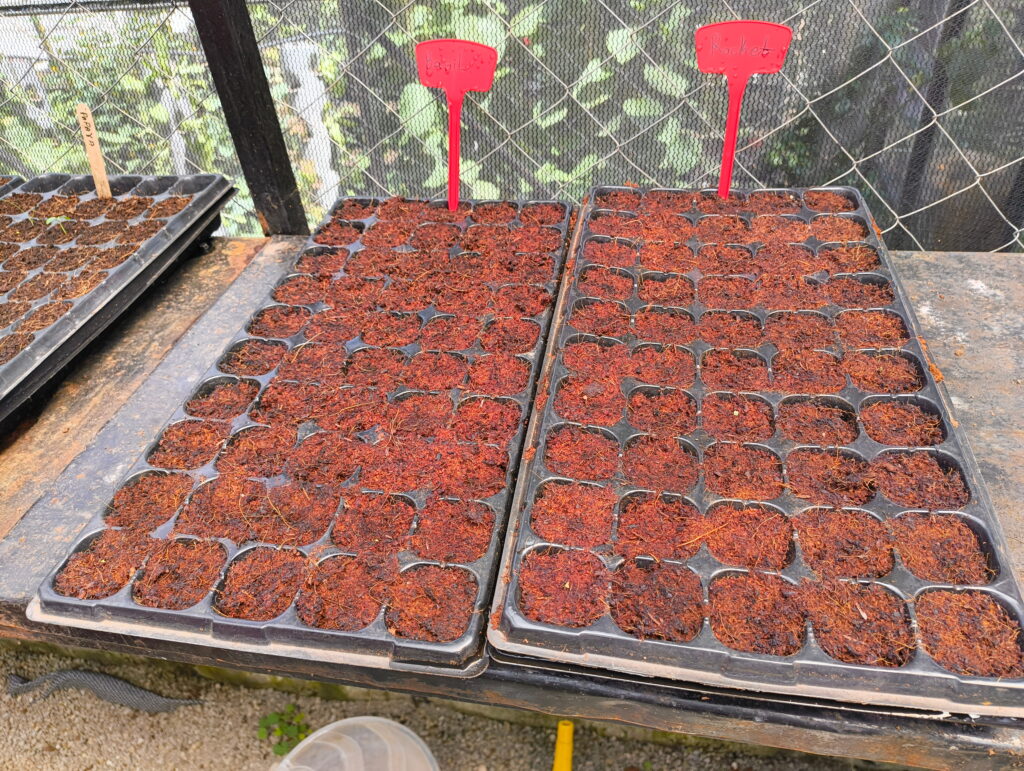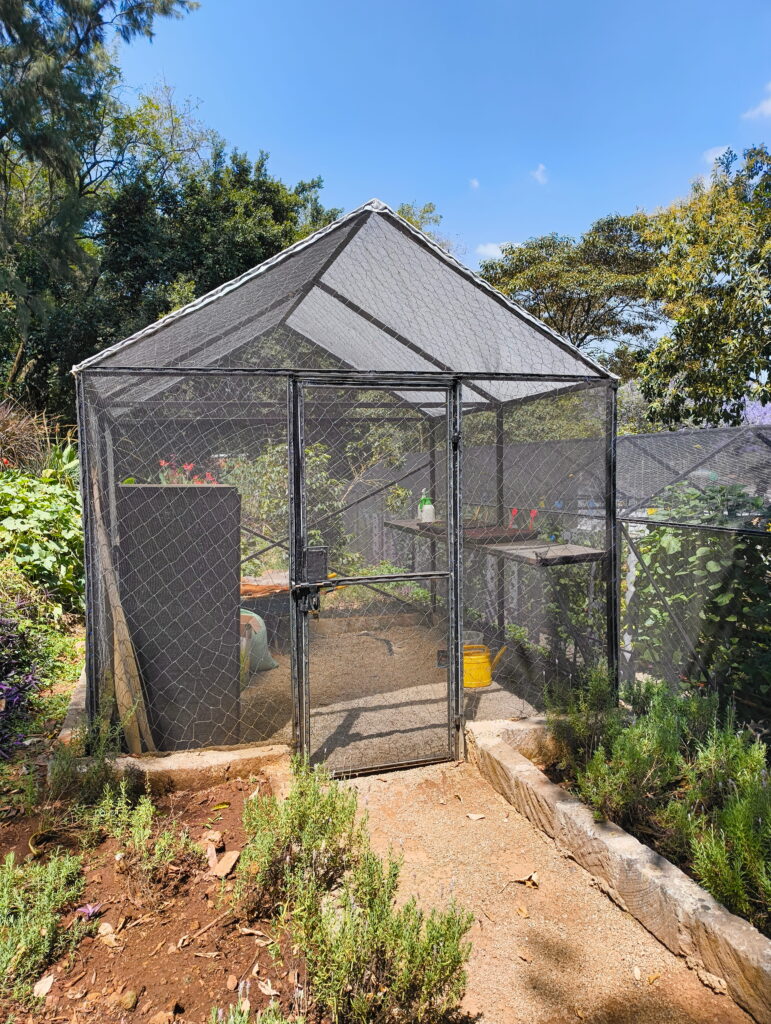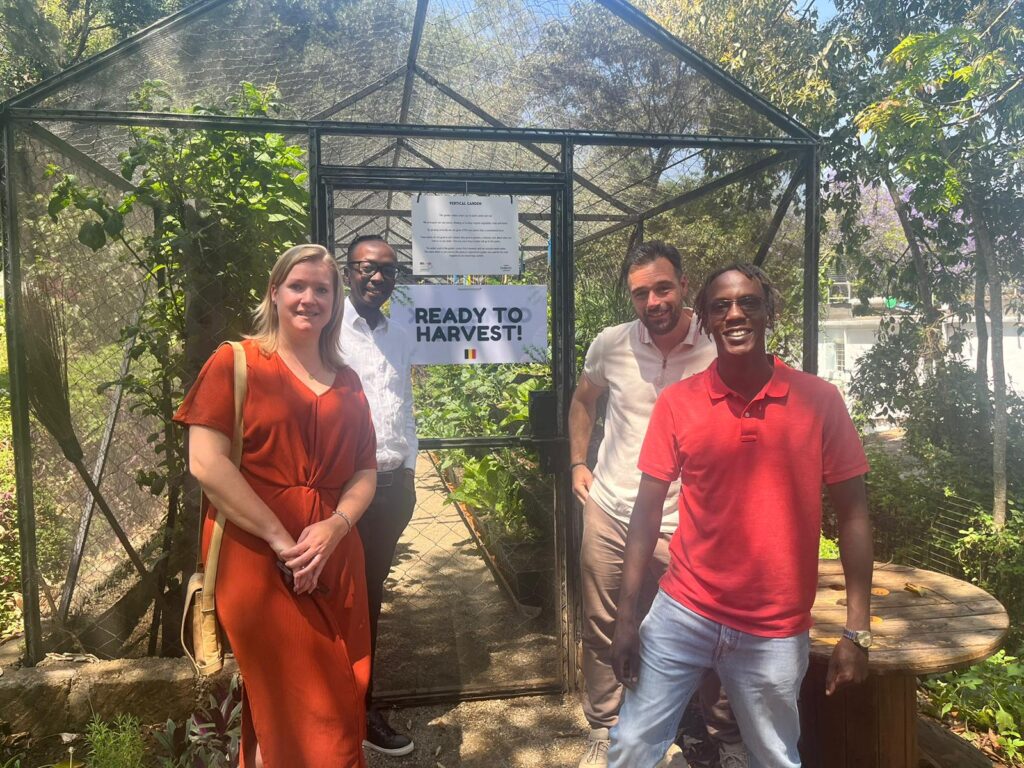
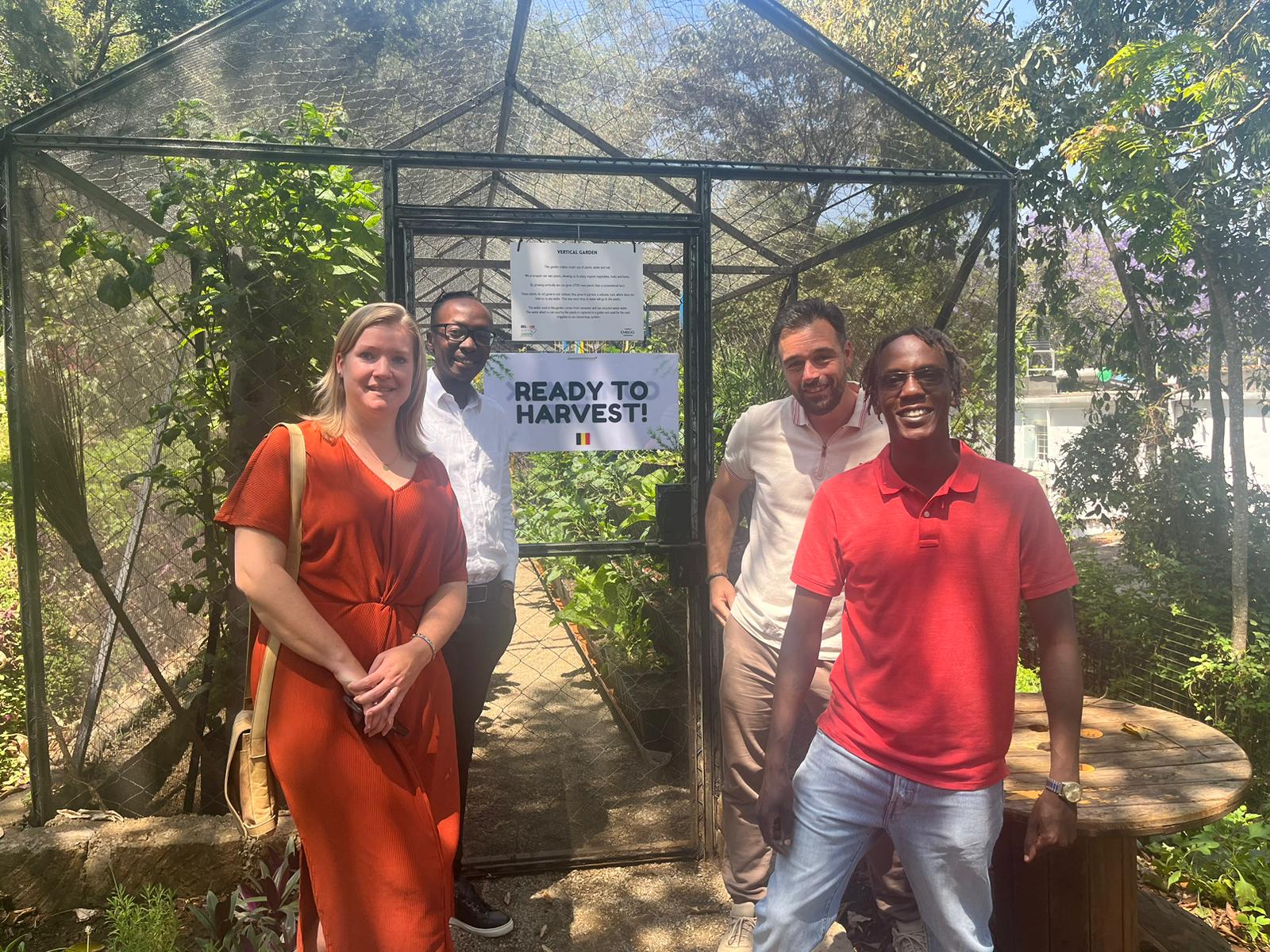
Nicodemus together with other IFS colleagues welcomed IFS co-CEO Esther Pattenier to Nairobi Kenya. The trip focused on among other things the exploration of vertical farming at scale to plug food deficits in Kenya and the wider region.
The promise of vertical farming in Africa lies in its ability to decouple food production from the unpredictable rhythms of climate change. As sub-Saharan Africa faces accelerating desertification, unpredictable rainfall patterns, and rapid urbanization, traditional horizontal agriculture is under immense strain. Vertical farming – the practice of growing crops in vertically stacked layers, often utilizing controlled-environment agriculture (CEA) technology—offers a hyper-efficient alternative. Through utilizing hydroponic or aeroponic systems, these indoor farms can yield up to 20 times more food per square meter than conventional fields while using roughly 95% less water.
Furthermore, because these systems are entirely indoor and climate-controlled, they eliminate the risks of droughts, pests, and seasonal crop failures. Placing these vertical facilities within or on the fringes of Africa’s booming megacities – like Lagos, Cairo, or Nairobi – drastically reduces the post-harvest losses that typically plague long, poorly refrigerated supply chains. While high initial capital costs and energy requirements remain significant hurdles on a continent facing electricity deficits, the integration of solar energy and localized, low-tech vertical designs is beginning to bridge the gap. Ultimately, vertical farming holds the potential to transform African cities from vulnerable food consumers into self-sustaining, resilient agricultural hubs.